
’28 Years Later’ is a Confounding Pivot for the Series
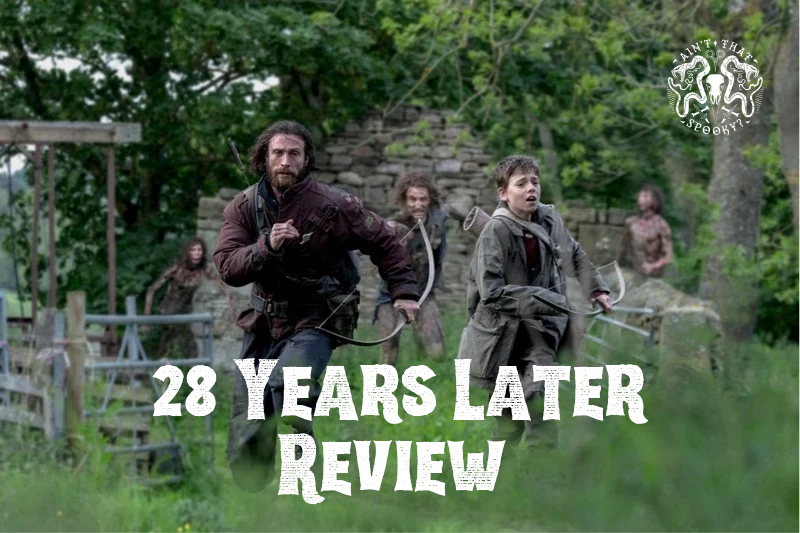
At a Glance: Boyle and Garland’s new vision for the franchise will likely frustrate and confound audiences with a mixed bag of tonal inconsistencies, innovative filmmaking, uneven storytelling, and intriguing character work.
I won’t hide my bias here. The original 28 Days Later film holds a special place in my heart. I was 11 when it first came out, and it’s one of the first films that got me into the horror genre.
So when I first heard that Danny Boyle and Alex Garland were teaming back up for 28 Years Later, it was a dream come true. 23 years after the original film, we were getting a proper sequel. Now that I’ve seen it, I’m not sure it was worth the wait.
I don’t want to say it’s a bad movie, as Boyle and Garland are among the most talented filmmakers in the world today. It is full of strong artistic choices, poignant character moments, and innovative new ideas to propel the franchise over. However, it’s also a tonal mess, with a lackluster story that shambles more like a Romero zombie than a Rage-infected Alpha.
First, let’s start with the positives. This movie is gorgeous from top to bottom, and Boyle was not afraid to experiment here. The use of iPhones worked to recreate some of the found footage atmosphere of the original, especially in the low-light sequences. The “Kill Cam” setup was also visually unique and packed an additional punch in the action sequences.
Praise must also be laid on the cast, who helped make the world feel lived-in and complex. The young Alfie Williams, who played the protagonist Spike, effortlessly carried this film and was truly the heart and soul of the story. Jodie Comer, Aaron Taylor-Johnson, and especially Ralph Fiennes were also tremendous talents and brought nuance to their supporting roles.
Despite all this, the movies Achilles heel is it’s story, which felt disjointed and unrefined in a way that blindsided me. The plot moved along in starts and stops, occasionally veering off course to some inconsequential sidequest. The pacing was odd, less chaotic than the original but seemingly less intentional about its pauses and ramp ups. I found myself losing steam near the ending, and while the climactic death at the end was certainly poignant and moving, it also came and went without leaving much time to process.
Something that really struck me was the tone, which oscillated from overwhelmingly bleak, to outright zany comedy, back to run-and-gun action, and everything in between. It felt less like a choreographed flow and more like a stream-of-consciousness writing experiment. The coda of the film, the appearance of the Jimmy Savile-worshipping Power Rangers, was a choice so bizarre yet so obviously intentional that I cannot find a proper justification for it. It absolutely took me out of the film, and had me leaving the theater completely bewildered and more than a little annoyed.
I’m not one to nitpick plot holes, but there were a few moments that ripped me clean out of my suspension of disbelief. During Spike’s first trip to the mainland, I was frustrated at just how non-chalant his father was, speaking at full volume and barely watching his step as they paraded through the forest. The original film revolutionized the zombie genre and the world felt so incredibly dangerous, but it seems like time has weakened the bite of the infected. This killed a lot of the visceral tension for me that I loved about the original.
Additionally, the plot with the pregnant infected infuriated me. In the original, a drop of blood was enough to turn a grown man into a monster within seconds. Seeing a baby born to an infected woman come out clean and healthy did not make sense to me, even with the throwaway line about the magic of the placenta. The fact that every character took the baby’s health for granted was also frustrating, especially in a world where people do not hesitate to execute anyone with even a suspicion of infection.
Despite my issues with the film, there were plenty of highlights that kept me engaged. The race back to the village, the Swedish soldier, the meeting with the doctor. These moments only heightened my frustration with the rest of the film, as I saw the potential for something greater. I’m aware that this is only the first act in a planned trilogy, and that setting up a world is incredibly difficult. As a standalone film however, 28 Years Later doesn’t work.
Maybe I’m missing the broader picture, I certainly hope I am. It will be hard to truly judge this film before the rest of the series premieres, so I guess we’ll just have to wait and see.
 Ain't That Spooky
Leave a comment